

Loading
Share your story
Loading

The first time I tried, it looked like a bird had slept in it. She wore it to school anyway, and she told everyone her daddy did it.
Tunde, Lagos, Nigeria
My wife is a nurse, and two years ago she started working night shifts at a hospital on the Island. That meant I was the one getting our daughter, Morenike, ready for school four mornings a week.
Breakfast, I could manage. The uniform, fine. The hair was another matter. Morenike was five then, with thick hair that her mother usually braided on Sunday evenings. When the braids came out midweek, I was lost.
The first time I tried, it looked like a bird had slept in it. Morenike looked in the mirror for a long time. Then she said, “It is fine, Daddy,” in the same voice I use when she gives me a drawing I cannot understand. She wore it to school anyway, and she told everyone her daddy did it.
That weekend I watched my wife do it, slowly, and asked a lot of questions. I watched videos on my phone at night. I practiced on Morenike’s doll until my fingers ached. My friends laughed at me, and I let them.
It took months. My first cornrows went sideways. My parting was never straight. But Morenike never complained, not once. She would sit between my knees with a bowl of cereal, and we would talk while I worked. About her friends, about a dog she wanted, about why the sky is blue. I did not know yet that those were the best conversations of my week.
Now she is seven, and I am not bad. I can do simple cornrows and two puffs with ribbons. On Saturday mornings she chooses the style, and I do my best.
People sometimes say, “You braid? That is a woman’s job.” I tell them it is a father’s job too, if the father wants the time. Those mornings are ours. She will not sit between my knees forever. For now, I am glad she still does.
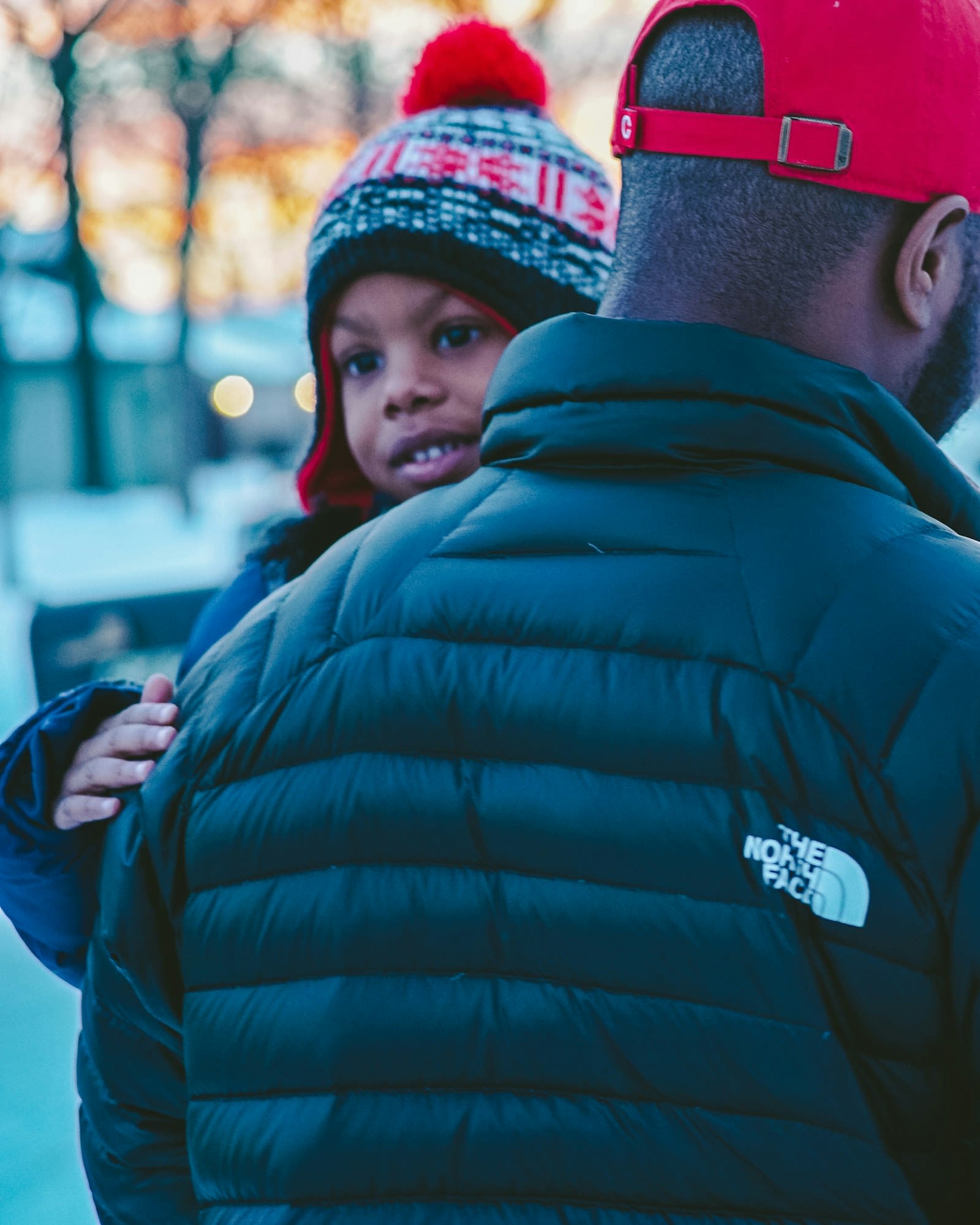
“I used to talk at him. Now I ask one question and wait. You would be surprised what a seven year old will tell you if you just wait.”
Kwame, Kumasi, Ghana
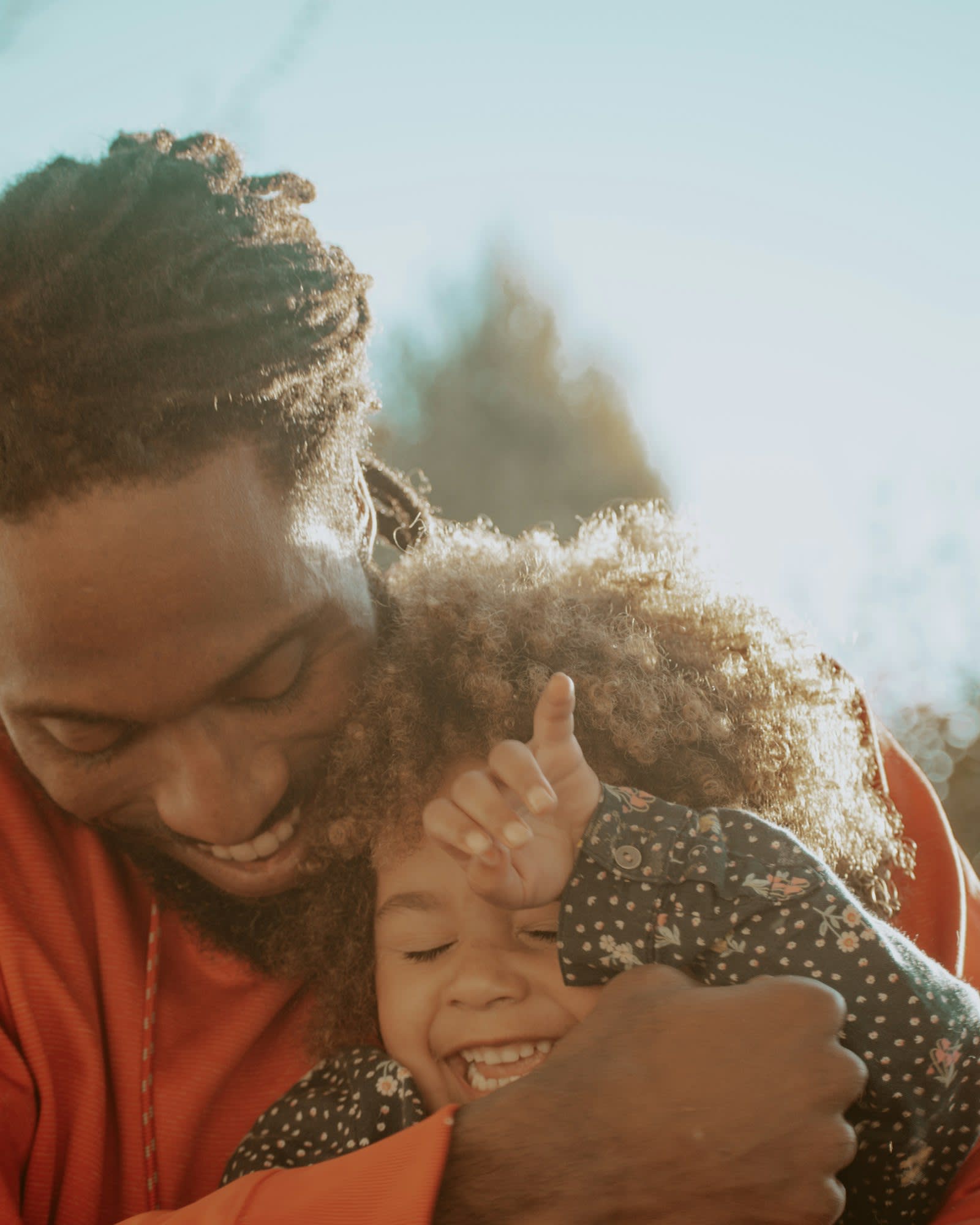
“I was building a better life for her, but I was not in it. She did not need a bigger shop. She needed me at the gate.”
Emeka, Enugu, Nigeria
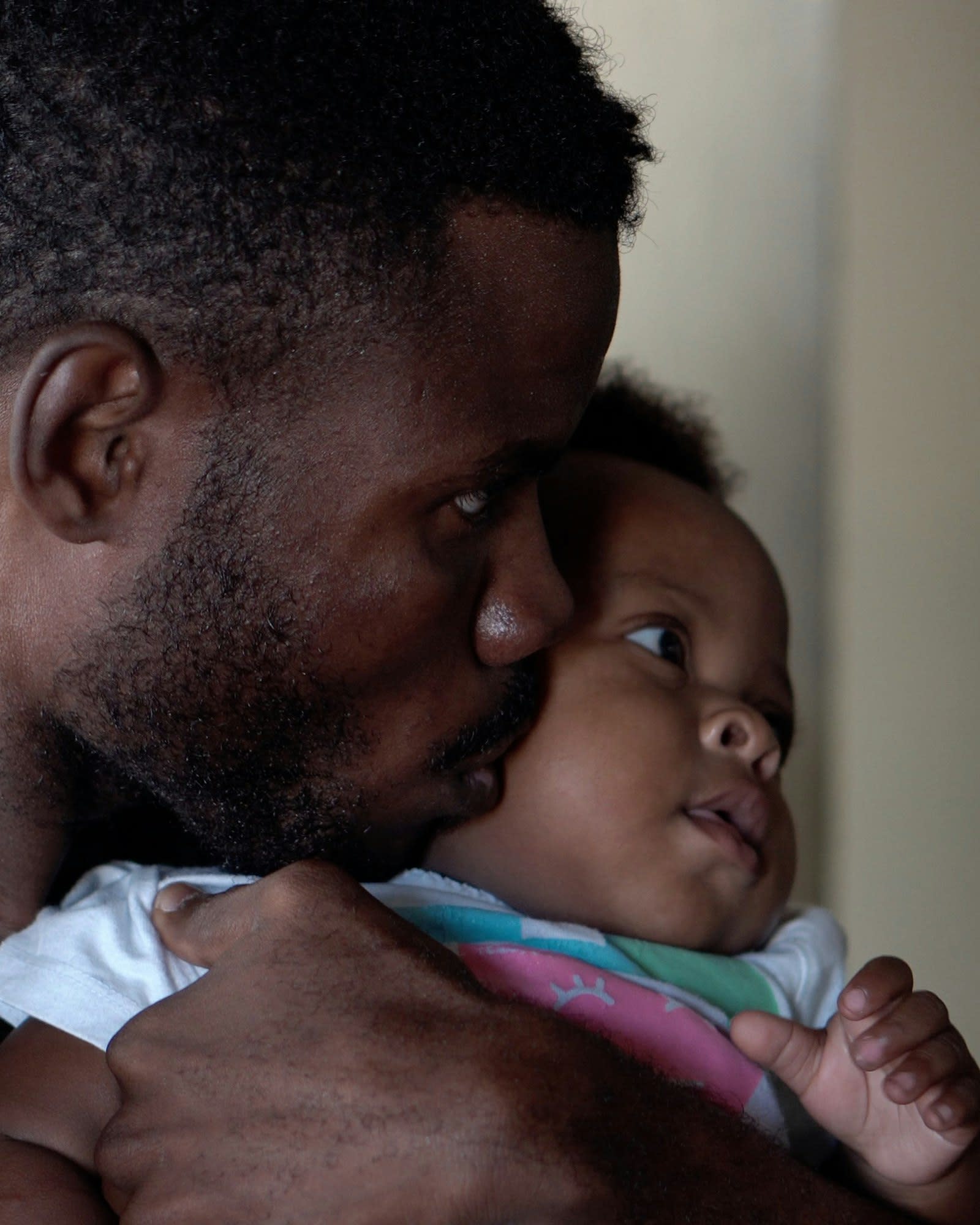
“My children are American and they are Igbo. I do not want them to choose. I want them to carry both, and dinner is where we practice.”
Chidi, Houston, United States