

Loading
Share your story
Loading
I saw my son flinch, the way I used to flinch. That was the day I decided the shouting would end with me.
A father, Kampala, Uganda
I am not putting my name on this because I am not proud of the father I was for the first few years. But I am proud of what changed, and maybe another man needs to hear it.
My father shouted. When he came home, the house went quiet. We learned to read his face at the door to know what kind of evening it would be. I told myself I would never be like that. Then I had children, and I was exactly like that.
I shouted when my son spilled things, when he was slow to dress, when he cried. I did not hit him, and I told myself that made me better than my father. It did not.
One evening my son knocked a cup of juice onto my phone. I shouted before I even stood up. He flinched and covered his head with his arms, the way I used to. He was four.
I went outside and sat in the car for a long time. That was the day I decided the shouting would end with me.
It has not been easy. I talked to a counselor at my church, and she helped me understand where the anger comes from. I learned to notice when it is rising: the heat in my face, my jaw getting tight. When that happens, I say, “Daddy needs a minute,” and I walk outside. I come back when I can speak slowly.
When I get it wrong, and I still do sometimes, I apologize to my son. My father never apologized to me once. The first time I said sorry, my son looked at me like I had said something in another language. Now he says, “It is okay, Daddy. Next time take your minute.”
He is six now. He does not flinch anymore. That is enough for me.
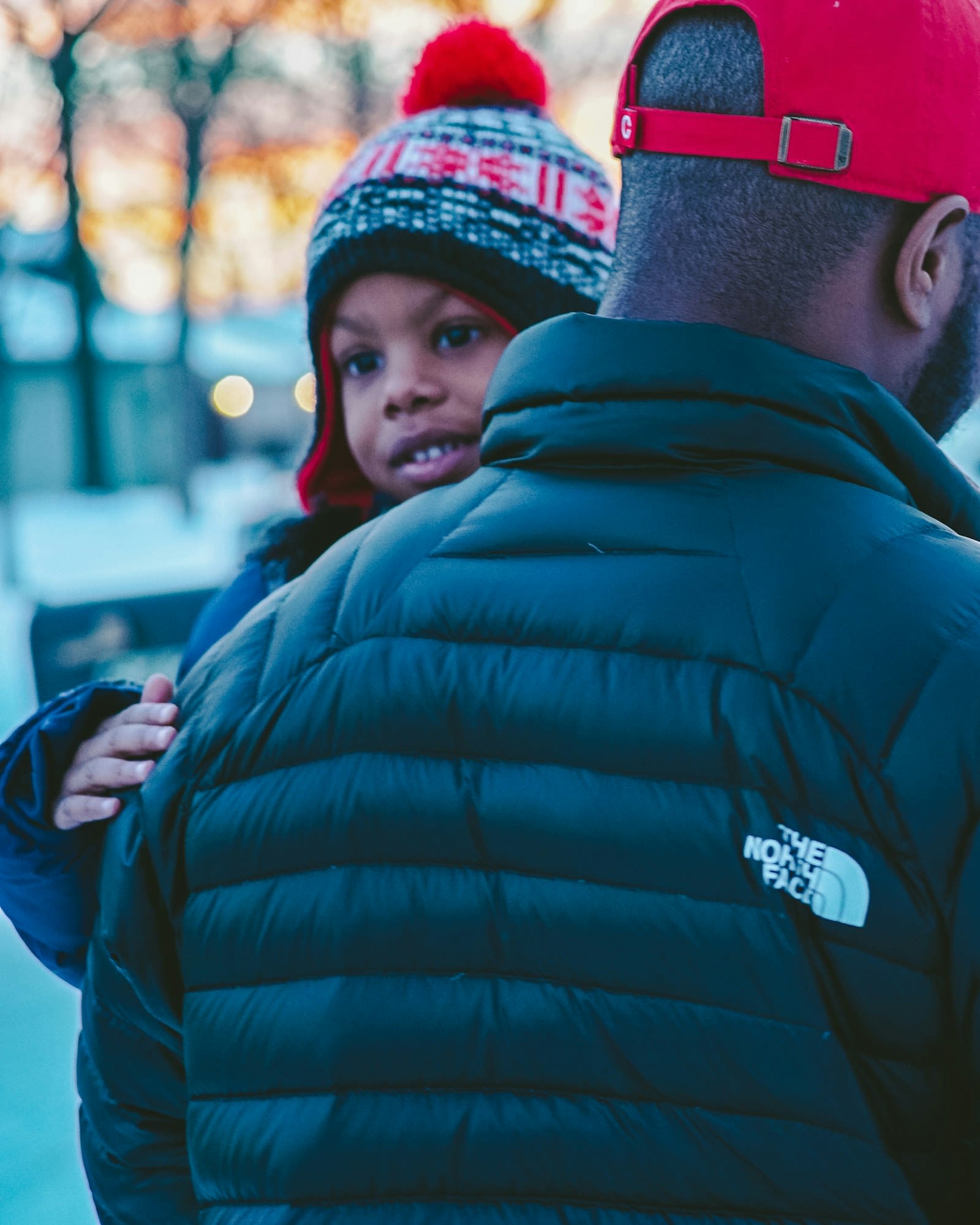
“I used to talk at him. Now I ask one question and wait. You would be surprised what a seven year old will tell you if you just wait.”
Kwame, Kumasi, Ghana

“I was building a better life for her, but I was not in it. She did not need a bigger shop. She needed me at the gate.”
Emeka, Enugu, Nigeria
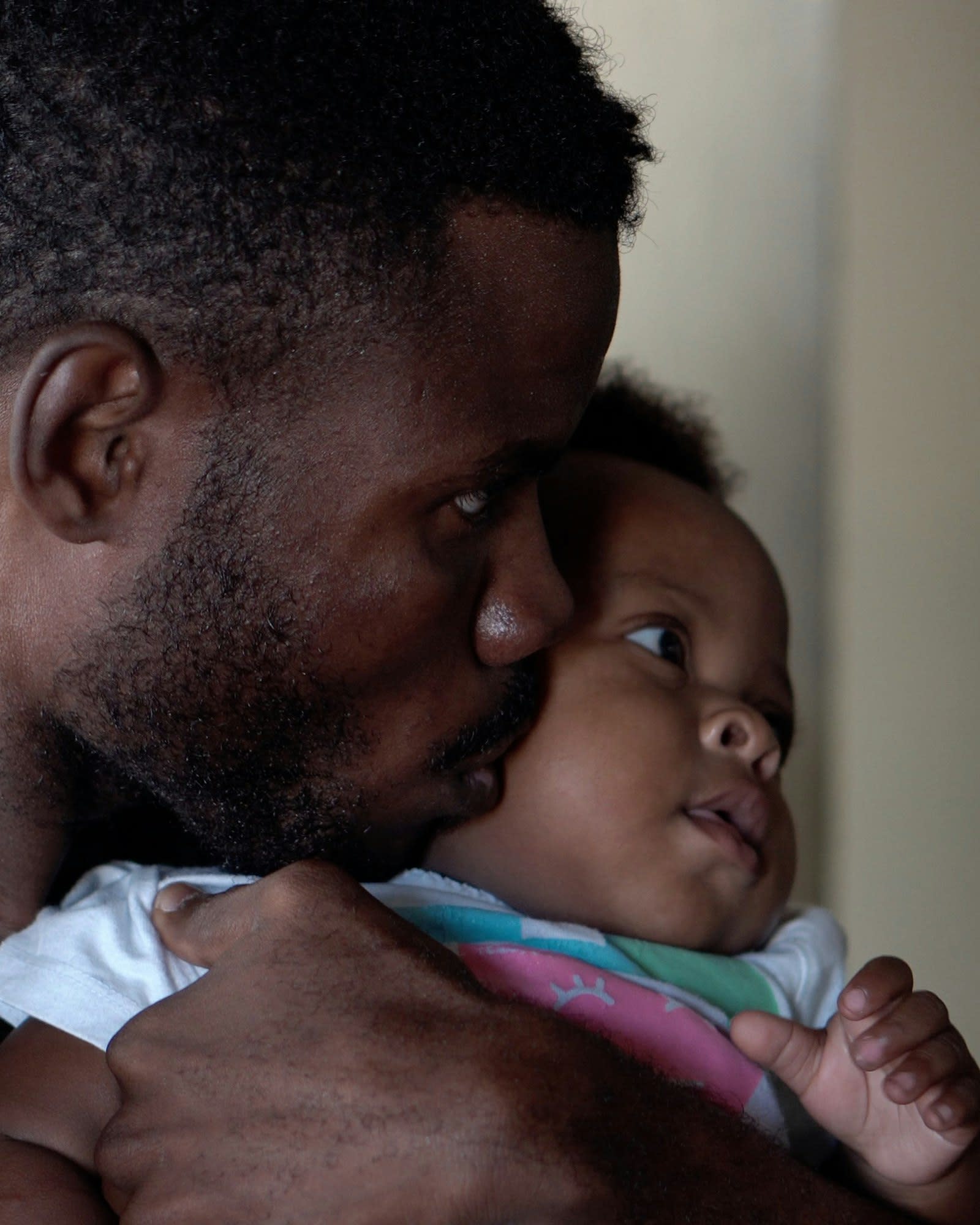
“My children are American and they are Igbo. I do not want them to choose. I want them to carry both, and dinner is where we practice.”
Chidi, Houston, United States